Secondhand smoke is the opposite of simple. In fact, it’s a complex mix of smoke and other particulate matter consisting of thousands of chemicals. Particulate matter (PM) is the term for tiny particles found in the air, many of which are hazardous. Whether the particles come from vehicles, factories, unpaved roads, burning fossil fuels, grilling on charcoal or gas grills, or smoking cigarettes, breathing them in isn’t good for humans, or animals for that matter. Alas, when these tiny and toxic particles are in the air, there’s a pretty good chance that you will inhale them, and for that matter, exhale them.
When you inhale, you breathe in air along with any particles that are in the air. Your body will do its best to combat the particles from becoming trapped inside by producing mucus to trap the chemicals. The tiny hairs in your nose, or cilia, then move the mucous and particles out of the lungs. Although mucus and cilia do their best to help clean out your body, certain particles can stick to the sides of the airway or travel much deeper into the lungs.
According to the US National Library of Medicine, how far the particle gets into the passages of your respiratory system when you inhale, and what it does when it’s in there, depends on the size, shape, and density of the particulate material. Particles are deposited in the lungs by one of four different ways: interception, impaction, sedimentation, and diffusion.
Let’s look at vapor PM, for example. Dr. Tobias Schripp explains to The Washington Post that, “Adverse health effects for third parties exposed cannot be excluded because the use of electronic cigarettes leads to emission of fine and ultra-fine inhalable liquid particles, nicotine and cancer-causing substances into indoor air.” This means that even though you’re inhaling less toxins when vaping than when smoking cigarettes, and some of the vapor is being absorbed into your body, you’re still exhaling PM that can be toxic to others.
The Environmental Protection Agency concludes that potential symptoms of exposure to secondhand vaping aerosol may be similar to symptoms of exposure to any airborne pollutants and can include:
- Coughing or wheezing
- Respiratory infections
- Inflammation in the throat
- Reduced lung function
- Aggravated asthma and allergy symptoms
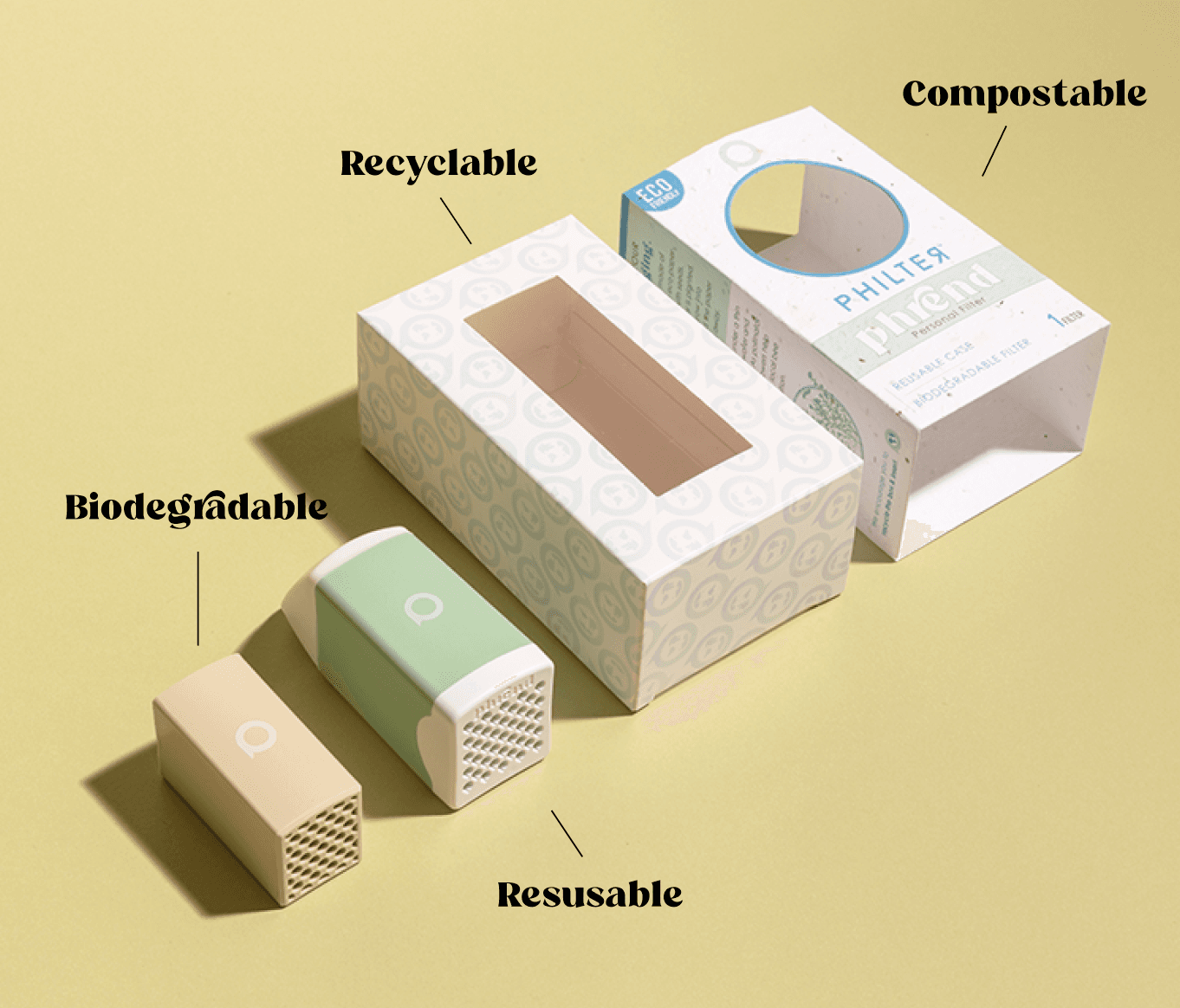
None of those outcomes sounds fun, right? So, dear vaper, how can you commit to creating cleaner air for others while still enjoying your vape? Thanks to the advanced aerodynamic principles pioneered by Philter Labs, there is now a filter for your vape small enough to fit in your pocket. Cleaner air is on-the-go, and now convenient, portable filtering is available for you, whenever the need might arise. Click here to learn more about PHILTER’s technology and discover the different ways YOU can #PHILTERyourvape.